Whisler Edits Blog
Deeper Dive into Content Genres: Horror, War, & Western/Eastern
Discover in this post …
a reminder of the difference between commercial genre and content genre—and why it matters.
the core question, need, emotion, event, and outline for the horror, war, and Western/Eastern content genres.
examples of popular storylines that fit the aforementioned genres.
Quick Reminders
For the last four months, I’ve delved into the nine external and three internal content genres. I’ve covered why they’re important for writers to identify and what to know about each genre. This fifth and final post on the topic explores the last three external content genres: horror, war, and Western/Eastern.
But before we dive in, if this is the first time you’ve stumbled across my blog (or if your memory is not something you’ve been known to brag about), here are a few points of reference for you:
First, remember that content genre differs from commercial genre.
Commercial genre = the “bookstore genre” (tells you where you’d likely see your book at a bookstore: romance, mystery, thriller, science fiction, YA fantasy, adult historical fiction, etc.)
Content genre = the type of story you’re writing (helps you identify your protagonist’s core desire, along with the key scenes you need to include if you want to satisfy readers and affect them on an emotional level)
Another way to think of the difference between the two is this: commercial genre matters more to readers (because they want to find books that suit their interests), while content genre matters more to writers (because they want to guarantee they’ve written a story that resonates).
If you’d like to start from the beginning with my prior post that explains how to use an overall story framework to satisfy readers’ expectations, check out The Essential Framework to Satisfy Your Readers.
To discover the core item your protagonist needs on an internal level, take a look at Make Your Protagonist’s Inner World Matter.
For the key information/outline you need if your external content genre falls into the action, crime, or thriller category, you can read Deeper Dive into Content Genres: Action, Crime, & Thriller.
Last, for the key information/outline for the performance, society, and love categories, you can scan last month’s post: Deeper Dive into Content Genres: Performance, Society, & Love.
We’re almost ready to examine the final three content genres: horror, war, and Western/Eastern. Just like in my previous posts, we’ll look at the protagonist’s core need, reader’s core emotion, core event of the story, and general outline associated with each genre. Also mirroring my previous posts, the wording of the core questions and obligatory moments below comes from Shawn Coyne’s Story Grid, but the other explanations represent my own guidance to help fiction writers apply these concepts.
As usual with this topic (since it tends to freak some people out!), I’d like to present an important disclaimer:
Please use the following ideas as guidelines and diagnostic tools to improve your writing. People often want to know whether there are exceptions to Coyne’s ideas, as if he is some kind of story god who decides what will be tolerated in the writing universe.
Of course there are exceptions!
Don’t view these items as how they will limit you. Instead, consider how they might give you the starting foundation you need, and build upon it.
With that frame of mind, check out the horror, war, and Western/Eastern content genres below:
Horror Content Genre
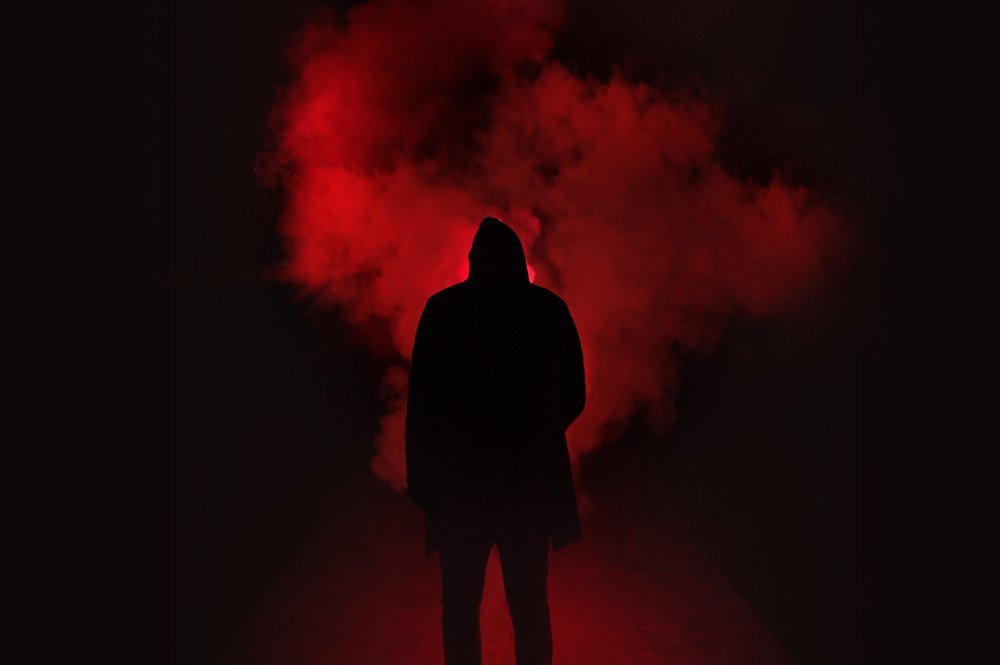
In a horror story, the protagonist expresses their gift of selflessness or courage as they face a monster that represents fear and seems unbeatable. The monster might be supernatural, science may be able to explain it, or it might be ambiguous, but no matter how the monster originated, it always seeks to destroy.
1. Core Question: How do we secure and maintain the safety of our lives, our homes, and our grip on reality when we are victimized by a manifestation of our deepest fears?
2. Protagonist’s Core Need: Safety
After the monster attacks, the protagonist tries to restore safety—not just for their own benefit but also for the sake of others. Since the monster is a manifestation of fear itself, incapable of being reasoned with or converted, the protagonist must summon their courage over the course of the story to fight their deepest fear (represented by the monster).
3. Core Emotion for Readers: Fear
Just like on a roller coaster, readers crave horror stories because they like the feeling of being afraid. It thrills them to live vicariously through the protagonist and experience courage and selflessness in the face of danger without actually undergoing any risk.
4. Core Event: Victim at the Mercy of the Monster
In the core event of a horror story, the protagonist is in danger of some type of damnation if they do not fight their fears and defeat the monster. They may win the battle, suffer damnation in some way, or sacrifice themselves for the sake of others. This scene represents the climax of the story and should be riveting for readers!
5. General Outline (a.k.a. Obligatory Moments—items that should play out in some way to satisfy readers of this genre):
Inciting attack by a monster
Single non-heroic protagonist is thrown out of stasis and forced to pursue conscious object of desire: saving their own life
Speech in Praise of the Monster (either a character or revelation reveals unbeatable nature of monster)
Protagonist becomes final victim after a series of “kill-off” scenes of minor characters
Victim at the Mercy of the Monster (core event when victim unleashes their gifts)
False Ending (The story must contain two “endings.” When readers think the protagonist has succeeded or failed, it turns out that wasn’t the actual ending! After the false ending, be sure to give readers the true one.)
Examples of popular storylines that fit the horror content genre include Dracula, Misery, The Shining, and Get Out.
War Content Genre
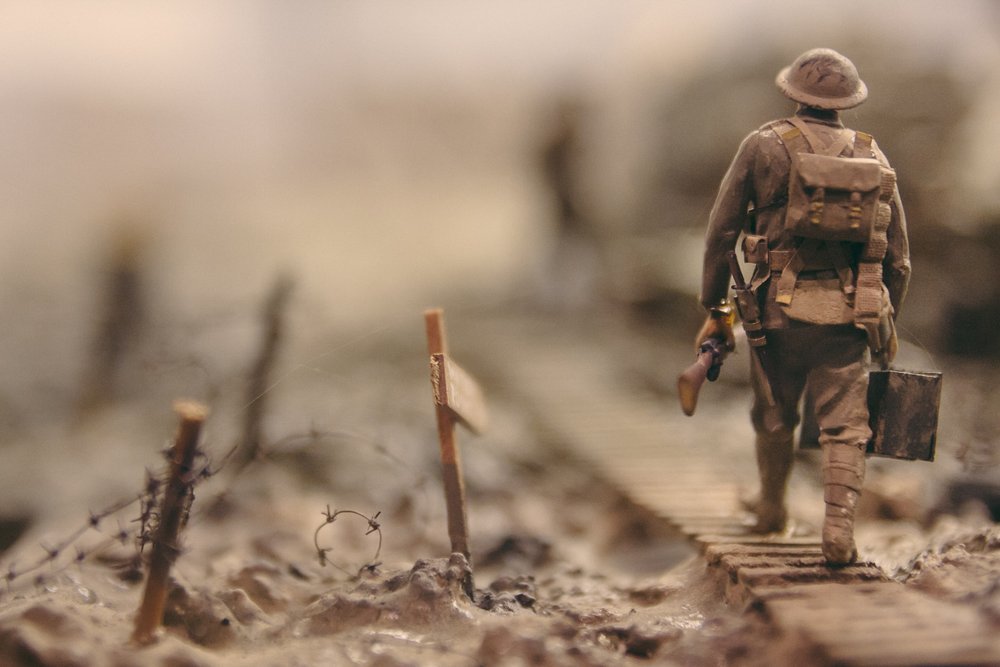
The war content genre plays upon the roles of honor and dishonor and can refer to pro-war, anti-war, or kinship stories. The protagonist expresses noble love, self-sacrifice, honor, and/or heroism by defending others while facing suffering and loss on a grand scale. In a traditional war story, winning has no meaning without honor—in fact, losing honorably is preferred to winning dishonorably. Readers can view their own daily battles in a similar light and can ask themselves these questions:
Is this battle worth fighting? Is it helpful for me to contribute?
Should I choose honor or dishonor as I make this difficult decision?
1. Core Question: How do we secure our group’s survival while maintaining our humanity in the process?
2. Protagonist’s Core Need: Safety
When an antagonistic force attacks the protagonist’s group or nation, the protagonist seeks safety. Readers can relate, if not on a literal scale, on a metaphorical scale, because of their own instincts to defend aspects of their personal lives, property, and/or belief systems.
3. Core Emotion for Readers: Intrigue
War stories heighten readers’ levels of excitement and fear, but more than anything, they fascinate readers and make them wonder how the protagonist(s) will deal with the intensity of the antagonistic force and the accompanying pain, suffering, and difficulties of war. Continuous intrigue leads to a feeling of satisfaction in the end when the story comes together as a cohesive unit.
4. Core Event: The Big Battle
In the climactic scene of a war story, the protagonist’s life is on the line in a battle of overwhelming odds. During the battle, the protagonist must make a choice between personal safety and group safety.
5. General Outline (a.k.a. Obligatory Moments—items that should play out in some way to satisfy readers of this genre):
Inciting attack
Protagonist denies responsibility to respond
Forced to respond, protagonist lashes out according to position in power hierarchy
Protagonist learns antagonist’s object of desire
Protagonist’s initial strategy to outmaneuver antagonist fails
Protagonist, realizing a change in approach is required to attain a measure of victory, reaches all-is-lost moment
The Big Battle Scene (core event and what the reader is waiting for—moment when protagonist’s gifts are expressed or withheld)
Protagonist is rewarded for their sacrifice at the extra-personal, interpersonal, or personal level
Examples of storylines that follow the war content genre include The Red Badge of Courage, Gates of Fire, All Quiet on the Western Front, and Inglorious Bastards.
Western/Eastern Content Genre
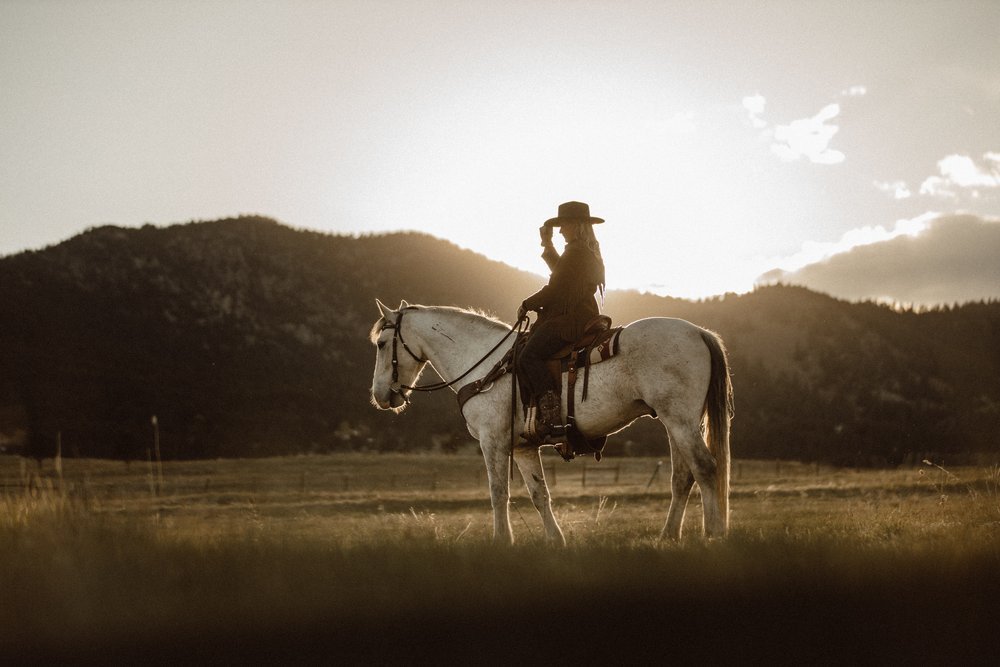
This content genre takes place in a hostile, harsh, open territory and brings up the concept of subjugation vs. freedom. It highlights the clash between society and the individual and often includes themes of justice, tyranny, sacrifice, and/or betrayal. The protagonist attempts to find order in the face of chaos without relinquishing personal freedom.
1. Core Question: Is the autonomous, self-reliant individual in society dangerous to law and order or necessary to protect the powerless from tyranny?
2. Protagonist’s Core Need: Individual Sovereignty
In a Western or Eastern story, protagonists must rise above their own self-interest and sacrifice themselves for the sake of others. A human, animal, or environmental antagonist attacks toward the beginning, thus threatening the status quo and inducing the protagonist(s) to attempt to reinstate order while risking societal control or subjugation.
3. Core Emotion for Readers: Intrigue
As in the war content genre, readers experience a sense of fascination as the story unfolds. In the end, intrigue leads to satisfaction as order is restored (or not). Unlike in a thriller, the antagonist is not bent on attacking the protagonist personally—instead, the protagonist’s goal of individual sovereignty simply contrasts with the antagonist’s object of desire.
4. Core Event: The Big Showdown
Readers will expect the climactic scene of a Western or Eastern to contain a showdown. In this scene, the protagonist’s choice revolves around how to save the victim. Will the protagonist sacrifice personal freedom to best help their community?
5. General Outline (a.k.a. Obligatory Moments—items that should play out in some way to satisfy readers of this genre):
Inciting attack by villain or environment
Hero sidesteps responsibility to take action
Forced to leave ordinary world, hero lashes out
Protagonist discovers and comes to understand antagonist’s object of desire
Hero’s initial strategy to outmaneuver villain fails
Realizing they must change their approach to salvage some form of success, hero reaches all-is-lost moment
Showdown or gunfight between hero and villain
Hero’s sacrifice is rewarded when they ride off into sunset or come into fold of town
Examples of storylines that follow the Western/Eastern content genre include True Grit, High Noon, Butch Cassidy and the Sundance Kid, and Crouching Tiger, Hidden Dragon.
That wraps up the final three external content genres! Examine your own work in progress. Are you writing a horror, war, or Western/Eastern story? Remember that one primary content genre will typically rise above the others in your novel, but you might find others that serve as subgenres. Are elements such as the core need, emotion, event, and obligatory moments already present in your work? Let me know in the comments below.
Do you want to learn how to write a story that makes your target readers stand up and cheer? If you’d like support from A to Z (from brainstorming to drafting to revising to publication), book a Discovery Call with me to see if you’re a good fit to join my book coaching program, Fantasy Footsteps: Road to Publication. And if you haven’t done so already, grab your Free Guide on how to hook readers from your story’s start!