Whisler Edits Blog
Deeper Dive into Content Genres: Action, Crime, & Thriller
Discover in this post …
the difference between a book’s commercial genre and content genre.
the core question, need, emotion, event, and outline for the action, crime, and thriller content genres.
examples of popular storylines that fit the action, crime, and thriller content genres.
Review: Commercial Genre vs. Content Genre
If you’ve read my past blog post, The Essential Framework to Satisfy Your Readers, and/or you’re familiar with editor Shawn Coyne’s Story Grid concepts, you’ll know there’s a difference between a book’s commercial genre and its external content genre.
And you’ll know why that distinction matters in terms of writing a story that will connect with your target reader.
As a reminder, a commercial genre tells you where you’d likely see your book at a bookstore: in a specific section, such as romance, mystery, thriller, science fiction, or fantasy.
An external content genre (with “external” referring to an outer force acting upon your protagonist) tells you the type of story you’re writing. It helps you identify your protagonist’s core desire, along with the key scenes to include if you want to satisfy readers and stir their emotions.
When you’re writing, if you want to leave readers clamoring for more, you should think more about your book’s content genre than its commercial genre.
A typical arch-plot (think hero’s journey or the like) falls into nine possible external content genres: action, horror, crime, performance, society, war, thriller, love, or Western/Eastern.
Today we’ll examine three of those content genres in more detail: action, crime, and thriller. By the end of this post, you should be able to identify whether any of these Story Grid content genres fits your current work in progress.
The wording of the core questions and obligatory moments below comes from Story Grid, but the other explanations represent my own guidance to help fiction writers apply these concepts.
Disclaimer: Please use the following ideas as guidelines and diagnostic tools to improve your writing. People often want to know whether there are exceptions to Coyne’s ideas, as if he is some kind of story god who decides what will be tolerated in the writing universe.
Of course there are exceptions!
Don’t view these items as how they will limit you. Instead, consider how they might help you.
With that frame of mind, check out the action, crime, and thriller content genres below!
Action Content Genre
Many science fiction and fantasy novels fall into this category. Before you assume your project fits here, however, take a moment to scan the summaries of the other genres to make sure you don’t miss a potential better fit.
1. Core Question: How do I overcome powerful external forces intent on killing other innocent victims and me?
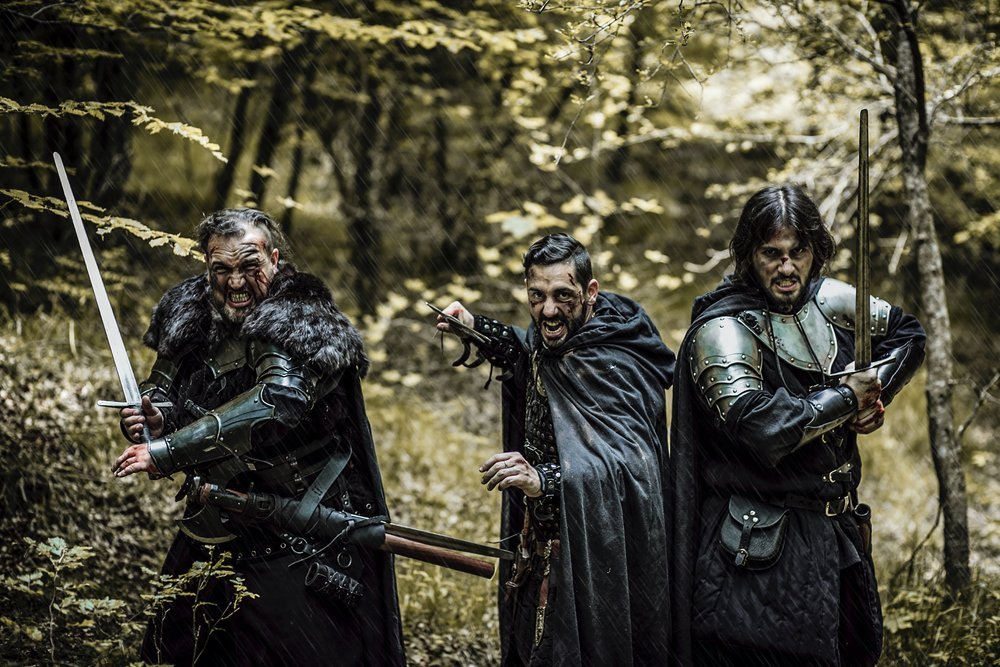
2. Protagonist’s Core Need: Survival
On the surface, the protagonist needs to survive the inciting attack made by the antagonistic force. They can work toward saving themselves and/or others.
On a deeper level, the protagonist needs to make meaning of life and death as they learn to operate at their potential.
3. Core Emotion for Readers: Excitement
Battling the antagonist (or antagonistic force) should excite readers, who can live vicariously through protagonists who succeed through their wits, acquired skills, and courage.
4. Core Event: Hero at the Mercy of the Villain
This showdown takes place during the climax of the novel. Your protagonist battles the antagonist (whether through swords, skills, or words) in a grand finale, answering the core question of the genre. This typically involves a sacrifice on the behalf of your protagonist—something only they can do to succeed. Of course, they don’t always defeat the antagonist! The action genre doesn’t guarantee success for your protagonist. Rather, the end result should depend on your protagonist’s conscious choices.
5. General Outline (a.k.a. Obligatory Moments—items that should play out in some way to satisfy readers of this genre):
Inciting attack or threat by villain
Hero sidesteps responsibility to act
Forced to leave ordinary world, hero lashes out
Protagonist discovers and comes to understand antagonist’s object of desire
Hero’s initial strategy against villain fails
Hero realizes they must change their approach to preserve life; hero reaches all-is-lost moment
“Hero at the Mercy of the Villain” scene (core event in which hero’s gift is expressed)
Hero’s sacrifice is rewarded
Examples of popular storylines that follow the action content genre include Lord of the Rings, Star Wars, Harry Potter, and The Hunger Games.
By now, you should have a solid sense of whether you might be writing an action story. Use the action outline to map out your key ideas!
Crime Content Genre
The crime genre is incredibly popular because it explores humanity’s primal need for societal justice.
1. Core Question: How do you expose defectors from society’s norms, laws, and codes and then punish wrongdoing?

2. Protagonist’s Core Need: Safety
After an inciting crime occurs, your justice-oriented protagonist works to right the wrong by finding the perpetrator and restoring balance to society. In many cases, this need for a secure world gives insight into the protagonist’s own inner discord.
3. Core Emotion for Readers: Intrigue
Readers should experience a deep desire to uncover the mystery surrounding the crime. Once the protagonist unmasks the criminal, readers should feel immense satisfaction. It’s possible for the criminal to avoid capture in a successful crime story, but be careful to do this in a way that readers don’t feel cheated.
4. Core Event: Exposure of the Criminal
In this climactic scene, the protagonist uncovers the identity of the criminal. In many cases, the protagonist must decide between protecting themselves or the victim (or society as a whole). If the criminal is exposed, readers feel a sense of justice—but just like in real life, this doesn’t always happen.
5. General Outline (a.k.a. Obligatory Moments—items that should play out in some way to satisfy readers of this genre):
Inciting Crime (must contain a victim or victims, even when story is seemingly victimless, like the 2008 financial crisis)
Speech in Praise of Villain (cunning or brilliance of villain must be praised or revealed, often by a character or characters)
Discovering and Understanding Antagonist’s Object of Desire (key clue that helps investigator make sense of inciting crime)
Progressively Complicated Following of Clues (process by which investigator uncovers antagonist’s identity)
Exposure of Criminal (core event—big scene every reader is waiting for)
“Brought to Justice or Escapes Justice” Moment (global resolution of story)
Examples of storylines that follow the crime content genre include Double Indemnity, Breaking Bad, The Shawshank Redemption, and Ocean’s Eleven.
Thriller Content Genre
This popular content genre blends the action, horror, and crime content genres.
1. Core Question: How do we deal with ever-present and often incomprehensible forces of evil in everyday life?

2. Protagonist’s Core Need: Safety
This core need matches the core need of the protagonist in the crime content genre. As in several other content genres, an antagonistic force carries out an inciting crime that suggests a master villain is at work. One item that makes a thriller stand out is its strong emphasis on psychological torment of the protagonist. Before the story’s end, the crime becomes personal to the protagonist.
3. Core Emotion for Readers: Excitement
Just like in the action content genre, readers should feel a strong sense of excitement as the story’s events play out. The antagonist’s relationship with the protagonist becomes personal, and readers eagerly watch as the protagonist finds their hidden gift or insight to defeat the source of evil.
4. Core Event: Hero at the Mercy of the Villain
The core event of a thriller matches the core event of the action content genre. The protagonist and antagonist must confront each other in a climactic scene. In a thriller, the protagonist often faces a threat worse than death should they lose the fight.
5. General Outline (a.k.a. Obligatory Moments—items that should play out in some way to satisfy readers of this genre):
Inciting Crime Indicative of a Master Villain (must include a victim or victims)
Speech in Praise of Villain (cunning or brilliance of villain must be praised or revealed, often by a character or characters)
Protagonist Becomes Victim (villain makes crimes personal to protagonist, who becomes primary victim)
“Hero at the Mercy of the Villain” scene (core event of story; protagonist unleashes gift)
False Ending (The story must contain two “endings.” When readers think the protagonist has succeeded or failed, it turns out that wasn’t the actual ending! After the false ending, be sure to give readers the true one.)
Examples of storylines that follow the thriller content genre include The Bourne Identity, The Silence of the Lambs, Marathon Man, and The Girl on the Train.
You might be thinking, My story seems to combine several content genres. Is that possible?
You might have elements of several different genres, but a primary content genre will typically rise above the others. Choose the one that fits your story best and use the others as subgenres within your work.
Does your current work in progress seem to fit the action, crime, or thriller content genre? Or are you waiting for me to discuss the other six to determine whether there’s a better fit? What other questions do you have about these genres? Let me know in the comments!
Do you want to learn how to write a story that makes your target readers stand up and cheer? If you’d like support from A to Z (from brainstorming to drafting to revising to publication), book a Discovery Call with me to see if you’re a good fit to join my book coaching program, Fantasy Footsteps: Road to Publication. And if you haven’t done so already, grab your Free Guide on how to hook readers from your story’s start!