Whisler Edits Blog

Deeper Dive into Content Genres: Performance, Society, & Love
Discover in this post …
a reminder of the meaning of “external content genre.”
the core question, need, emotion, event, and outline for the performance, society, and love content genres.
examples of popular storylines that fit the aforementioned genres.
What’s a Content Genre Again?
In last month’s blog post, I examined three of the nine external content genres: action, crime, and thriller. Remember that an external content genre (with “external” referring to an outer force acting upon your protagonist) tells you the type of story you’re writing. It helps you identify your protagonist’s core desire, along with the key scenes to include if you want to satisfy readers and stir their emotions. (For more information about external content genres, check out my blog post from a few months back, The Essential Framework to Satisfy Your Readers.)
According to seasoned NY editor Shawn Coyne, a typical arch-plot (think hero’s journey or the like) falls into nine possible external content genres: action, crime, thriller, performance, society, love, horror, war, or western/eastern. Any of these genres could be used in a story written for a variety of commercial markets: fantasy, science fiction, historical fiction, etc.
This month, let’s look at the next three content genres: performance, society, and love. To connect with your target readers, you’ll want to pay close attention to the protagonist’s core need, reader’s core emotion, core event of the story, and general outline associated with each genre.
The wording of the core questions and obligatory moments below comes from Coyne’s Story Grid, but the other explanations represent my own guidance to help fiction writers apply these concepts.
Disclaimer: Please use the following ideas as guidelines and diagnostic tools to improve your writing. People often want to know whether there are exceptions to Coyne’s ideas, as if he is some kind of story god who decides what will be tolerated in the writing universe.
Of course there are exceptions!
Don’t view these items as how they will limit you. Instead, consider how they might help you.
With that frame of mind, check out the performance, society, and love content genres below:
Performance Content Genre
Readers love this genre because these stories culminate in a moment of high performance, often in the area of sports, business, art, or music. The protagonist seeks approval through their inner gifts, and the ending performance results in either success or shame.
1. Core Question: Will the protagonist do what is necessary to pursue and fully express their unique gifts, despite physical, psychological, or emotional difficulties?

2. Protagonist’s Core Need: Esteem
The protagonist seeks to show the world, themselves, or others the high value or unique gift within them. Their goal is to master their sport, art, or profession for the purpose of recognition or self-respect.
3. Core Emotion for Readers: Triumph
Readers feel triumph as the protagonist gains external or internal respect and moves closer to mastering their skill.
4. Core Event: Big Performance Scene
In this climactic scene, the protagonist undergoes the ultimate performance—the one that matters most. This could be a recital, a game, a fight, a competition, etc. The performance often ends in a win-but-lose or a lose-but-win scenario in which the protagonist must sacrifice one thing for another. For example, Rocky technically loses the final fight but gains immense self-respect by proving to himself that he is not a loser.
5. General Outline (a.k.a. Obligatory Moments—items that should play out in some way to satisfy readers of this genre):
Inciting incident introduces performance opportunity
Protagonist sidesteps responsibility to perform
Forced to perform, protagonist lashes out
Protagonist discovers and understands antagonist’s object of desire
Protagonist’s initial strategy to outmaneuver antagonist fails
Protagonist, realizing they must change their approach to salvage respect, reaches all-is-lost moment
Big Performance Scene (core event in which hero’s gift is expressed)
Protagonist is rewarded at one or more levels of satisfaction: external, interpersonal, or internal
Examples of popular storylines that fit the performance content genre include Rocky, The Natural, Hidden Figures, and Billy Elliot.
Society Content Genre
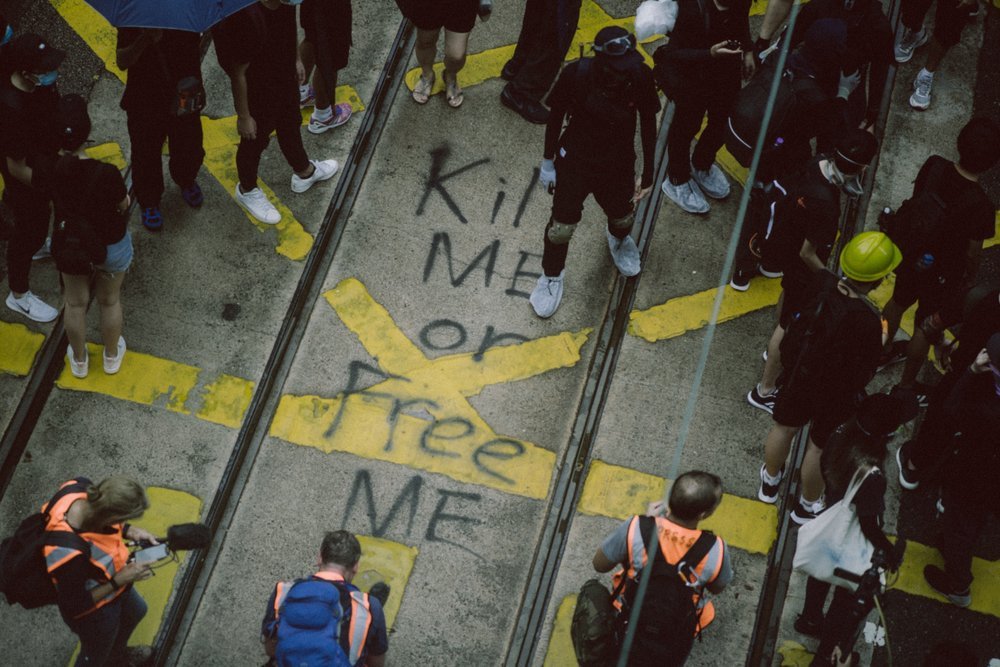
The society genre is about revolution! As someone with limited rights, the protagonist seeks recognition and change on behalf of a group. Depending on the success or failure of the intended revolution, readers may feel triumphant or indignant as they immerse themselves in this captivating content genre.
1. Core Question: What do we do in the face of tyranny? Do we stand against it or comply?
2. Protagonist’s Core Need: Recognition
Your oppressed and disenfranchised protagonist seeks recognition from a controlling group and wants to upset the balance of power. If the protagonist prevails against the threat, they will gain influence and autonomy over their life and change others’ lives for the better as well.
3. Core Emotion for Readers: Intrigue
Readers feel intrigue and satisfaction when the lies of the controlling group are exposed (or when the controlling group is abolished). They also feel triumphant or indignant, depending on the level of the protagonist’s success and the consequences of the new governing system.
4. Core Event: Revolution
In this climactic event, the protagonist leads or engages in an attempted revolution. Readers will discover whether the societal power imbalance shifts or whether the protagonist has failed. Usually, the lies or hypocrisy of the controlling group will come to light during this pivotal scene.
5. General Outline (a.k.a. Obligatory Moments—items that should play out in some way to satisfy readers of this genre):
Threat to or opportunity for reigning power incites protagonist
Protagonist denies responsibility to respond
Forced to respond, protagonist lashes out according to position in power hierarchy
Protagonist learns antagonist’s object of desire
Protagonist’s initial strategy to outmaneuver antagonist fails
Protagonist, realizing a change in approach is required to turn the power tables, reaches all-is-lost moment
Revolution Scene (core event in which protagonist’s gifts are expressed and power changes hands)
Protagonist is rewarded at the extra-personal, interpersonal, or personal level
Examples of storylines that follow the society content genre include 1984, Animal Farm, Ordinary People, and Dead Poets Society.
Love Content Genre
Love stories revolve around human connection and fulfillment. Characters seeking desire, intimacy, and commitment captivate readers in this ever-popular content genre.
1. Core Question: How do we navigate the emotional minefield that is love? How can we attract a mate, avoid heartbreak, and maintain a lasting relationship through a lifetime?

2. Protagonist’s Core Need: Connection
The protagonist desires to connect with another human being. They want to feel seen, understood, and appreciated. Readers first witness this potential connection during an early scene in which the lovers meet.
3. Core Emotion for Readers: Romance
Readers experience vicarious romance when the lovers sacrifice for each other and connect in an authentic way. The lovers’ courtship, obsession, or marriage provides readers with all the feelings of romance and none of the risk.
4. Core Event: Proof of Love Scene
The lovers sacrifice for each other in a wholly selfless way—a way that promises them nothing in return. As a result, readers feel the characters’ love for each other on a deep and pure level. This core event reveals that the lovers are stronger together than apart and propels the lovers into reuniting in the end.
5. General Outline (a.k.a. Obligatory Moments—items that should play out in some way to satisfy readers of this genre):
Lovers Meet (lovers must become aware of one another in order to connect and commit—or not)
First Kiss or Intimate Connection (lovers must acknowledge they care for or are attracted to one another)
Confession of Love (one lover becomes vulnerable by expressing depth of feelings to other lover)
Lovers Break Up (something forces lovers apart, willingly or not)
Proof of Love (lovers must sacrifice for one another without promise that it will do them any good)
Lovers Reunite (lovers must come back together to commit to one another or not)
Examples of storylines that follow the love content genre include Romeo and Juliet, Pride and Prejudice, Brokeback Mountain, and Kramer vs. Kramer.
Examine your own work in progress. Are you writing a performance, society, or love story? Remember that one primary content genre will typically rise above the others in your novel, but you might find others that serve as subgenres. Are elements such as the core need, emotion, event, and obligatory moments already present in your work? Let me know in the comments below!
Do you want to learn how to write a story that makes your target readers stand up and cheer? If you’d like support from A to Z (from brainstorming to drafting to revising to publication), book a Discovery Call with me to see if you’re a good fit to join my book coaching program, Fantasy Footsteps: Road to Publication. And if you haven’t done so already, grab your Free Guide on how to hook readers from your story’s start!